Eight Years of Profit: How Fisher FC Make Tier-Nine Football Pay
Fisher are supporter-owned, charge £8 at the gate and generated just £80,444 last season. Yet the Rotherhithe club has now reported eight consecutive profitable years.
- Fisher FC Society Limited generated £80,444 of turnover in 2024/25 and made a £10,480 profit after tax.
- The club told members it was its eighth consecutive profitable year.
- The tea bar generated £24,876, more than the £22,612 from home-match ticket sales.
- Sponsorship fell from £20,321 to £12,208, but home-ticket revenue rose by £3,960 and tea-bar revenue by £4,132.
- Average attendance increased to 225, and the club believes reaching around 300 would make a substantial difference to its funding.
- The accounts record only £6,075 of first-team player costs and £4,372 of first-team management costs.
- Nine supporters contributed to the 12th Man Fund, while the outgoing home-shirt sponsorship had been worth £5,000.
- Fisher are owned by their members through a Community Benefit Society rather than a private shareholder, and file their accounts with the FCA rather than Companies House.
Fisher are supporter-owned, charge £8 at the gate and generated just £80,444 last season. Yet the Rotherhithe club has now reported eight consecutive profitable years.
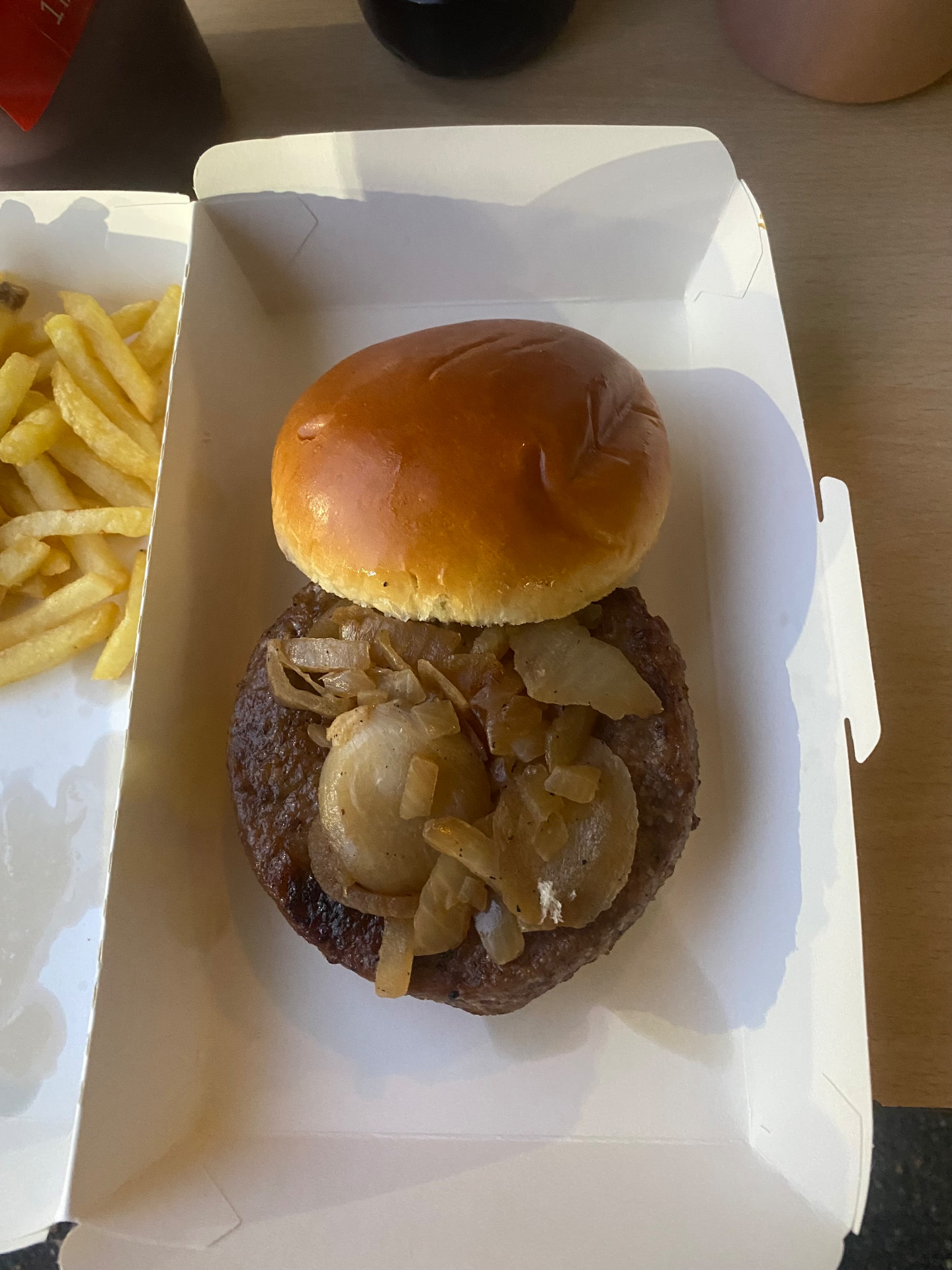
The £80,000 football clubLast Tuesday, 238 people watched Fisher beat Petts Wood & Holmesdale 6-3 at St Paul's Sports Ground in Rotherhithe. Admission was £8, a burger £3.50 and a large can of Anspach & Hobday lager another £3.50. Those numbers looked unusually small when we recorded them for the Burger Index. Fisher's accounts explain why they matter.
The football club is operated by Fisher FC Society Limited, registered society number 31005R. Unlike the limited companies behind most of the clubs whose accounts appear in The Pyramid, Fisher is a Community Benefit Society registered with the Financial Conduct Authority under the Co-operative and Community Benefit Societies Act 2014, so its annual accounts sit on the FCA's Mutuals Register rather than at Companies House.
Those accounts show turnover of £80,444 in the year to 31 May 2025, an operating profit of £10,788 and a profit after tax of £10,480. Turnover was almost exactly unchanged from £80,435 the previous year, when the club made £8,663. At its AGM, Fisher told members that 2024/25 represented its eighth consecutive profitable year.
For a club in the Southern Counties East League Premier Division, at tier nine of English football, the detailed income statement provides something relatively rare: it shows almost line by line how a football club of this size pays for itself. And the largest individual revenue line was not sponsorship. It was the bar.
Where Fisher's £80,444 came from
Fisher generated £24,876 from its tea bar during 2024/25, up from £20,744 a year earlier, while home-match ticket sales brought in £22,612, up from £18,652. Together those two activities accounted for £47,488, or 59% of total turnover — which makes the economics of a Tuesday night at St Paul's easier to understand, because an extra person through the turnstile is potentially both ticket revenue and a customer for the bar.
Among the other disclosed income lines, sponsorship contributed £12,208, away games £3,357, merchandise £2,710, membership £2,450 and the 12th Man Fund £2,845. Season-ticket income was roughly £2,400, pre-season games contributed £1,520 and prize money £535. These are not an exhaustive reconciliation of the £80,444 turnover figure, but they show how widely Fisher's income is spread across relatively small sources. There is no single enormous revenue stream supporting the operation; the business is assembled from tickets, memberships, drinks, shirts, sponsorship, supporter contributions and other football income.
That also makes changes which would barely register higher up the pyramid significant here. Sponsorship fell by more than £8,000 between 2023/24 and 2024/25, from £20,321 to £12,208. But home-ticket revenue increased by £3,960 and tea-bar income by £4,132, merchandise rose from £1,656 to £2,710, and away-game revenue increased from £422 to £3,357. Total turnover therefore remained almost perfectly flat despite the sponsorship decline.
It is diversification at its smallest scale.
Why another 75 supporters matter
Fisher's average home attendance increased to 225 in 2024/25, with 423 attending the game against Faversham Town, and the club told members that the increased crowds had already lifted matchday bar income. Its longer-term target is the revealing part: at the AGM, chairman Ben Westmancott said increasing average matchday attendance to around 300 would make a substantial difference to funding the club.
That is only another 75 people. At the current £8 adult admission price, 75 full-paying spectators would represent £600 of additional gross gate receipts for a match, before allowing for members, concessions, under-16s, season-ticket holders or other ticket categories. Repeat that across a league season, add whatever those additional supporters spend at the bar, and the scale becomes material against an £80,444 annual turnover base.
The accounts already demonstrate the relationship. Home ticket sales rose by about 21% in 2024/25 while tea-bar revenue increased by about 20%. For Fisher, attendance is not primarily an abstract measure of support. It is one of the central variables in the business model.
The bar is bigger than the gate
The £24,876 generated by Fisher's tea bar is perhaps the most revealing number in the accounts, because it exceeded home-match ticket revenue by £2,264.
Food and beverage costs were £15,624, up from £13,155 the previous year, with a further £213 recorded for clubhouse bar stock. The accounting categories do not allow a clean standalone profit calculation for the bar from the published numbers, so it would be wrong simply to subtract one figure from another and call the difference bar profit. But they do show how commercially important food and drink are to the operation.
That puts Fisher's matchday pricing in a different context. The £3.50 Anspach & Hobday lager we bought last week is not incidental to the finances of the football club, and nor is getting people into the Fisherman's Rest before, during and after games. Matchday hospitality is one of Fisher's largest sources of income.
At clubs further up the pyramid, the discussion around commercial revenue tends to mean hospitality boxes, naming rights, international partnerships and corporate packages. At Fisher, it can mean another supporter buying a drink.
£6,075 on players
The expenditure side is equally revealing. Fisher's detailed income statement records £6,075 of first-team player costs in 2024/25, up from £2,520 the previous year, with first-team management costing another £4,372 and training approximately £7,920. The club also spent £4,400 on matchday officials, £3,180 on matchday physio costs, £2,842 printing programmes and £2,488 on kit and equipment. Rent was £5,000.
There were no average employees recorded in the 2025 accounts, and Fisher's own description is of a club owned and run by supporters, without a wealthy shareholder underwriting the operation. That matters when interpreting the profit.
A £10,480 profit on £80,444 of turnover produces a superficially extraordinary margin for a football club. But Fisher is not operating the labour model of a professional club compressed into a smaller stadium. Volunteer labour, supporter involvement and extremely low playing costs fundamentally change the cost base, so the profit is better understood as the product of a different organisational model than as evidence that tier-nine football is inherently lucrative.
The supporters who own it also fund it
Fisher FC Society Limited is constituted as a Community Benefit Society. Full members each hold one ordinary £1 share and the membership elects the board responsible for running the club. Membership currently costs £20 a year, with junior membership at £5, and Fisher describes it as both a means of participating in the governance of the club and a source of revenue. In 2024/25, membership produced £2,450.
Then there is the 12th Man Fund, to which nine members contributed during the year, providing £2,845 specifically for the playing budget. Scale matters again here: nine supporters collectively provided an amount equivalent to almost half the £6,075 first-team player cost recorded in the accounts.
Fisher's home-shirt sponsorship had meanwhile been worth £5,000, according to the AGM. British Land was not renewing that sponsorship for the following season, and the club was seeking a replacement while arguing that increased gates and social-media exposure had made the inventory more valuable. At this level a £5,000 sponsorship is not a small commercial add-on: it was equivalent to more than 6% of annual turnover and roughly four-fifths of the entire recorded first-team player cost.
Eight years of profit
Fisher's 2024/25 profit was not presented to members as an isolated result. The club said it was the eighth consecutive year in which Fisher had been profitable, and the recent accounts support the direction of that claim: £10,480 after tax in 2024/25, £8,663 in 2023/24 and £7,328 in 2022/23. The accumulated profit-and-loss balance stood at approximately £63,700 at 31 May 2025, up from £53,213 a year earlier.
The club has said it is building working capital for contingencies and possible future investment in the ground, which is an unusually conservative position in football. It also makes more sense in the context of Fisher's history.
The current supporter-owned club followed the demise of Fisher Athletic, which was wound up in 2009 after financial problems. Supporters subsequently established the structure that operates today, with democratic ownership and financial sustainability embedded in the model. The contrast does not need embellishment. One version of Fisher disappeared after its finances failed. Its supporter-owned successor says it has now recorded eight consecutive profitable years.
The unusual economics of St Paul's
Fisher's cost base also benefits from a ground arrangement different from conventional stadium ownership. St Paul's Sports Ground was redeveloped as a community football facility through Southwark Council, allowing Fisher to return to its home area after years playing elsewhere, and the latest accounts record £5,000 of rent, unchanged from the previous year.
That is a remarkably small property cost in London, but it comes with the corresponding reality that Fisher does not own a stadium asset it can freely develop and commercialise. The club has previously told members that the ground and available resources are limiting factors in its ambition to play at the highest level possible, and moving higher can bring additional ground requirements and expenditure.
That makes the accumulated working capital significant. Fisher is not simply retaining profit for its own sake; the club has explicitly identified possible future ground investment as one use for it. The financial discipline which produces £10,000 annual profits therefore has another purpose. Promotion costs money.
Why it matters
We normally encounter football finance through millions. Fisher is useful precisely because almost every zero disappears.
Turnover is £80,444. The shirt sponsorship was £5,000. Nine supporters put £2,845 into the playing budget. First-team player costs were £6,075. Rent was £5,000. Another 75 people through the gate each week could materially alter the finances.
Yet the basic economic questions are the same ones facing clubs considerably further up the pyramid. How much can be spent on the team? How dependent is the club on sponsorship? What happens if a commercial partner leaves? How much does attendance matter? Who funds losses? Who controls the ground? Where does the capital come from when infrastructure needs improving?
Fisher's answer to the funding question is the important one: there is no wealthy shareholder waiting behind the accounts. That forces the club to live unusually close to its underlying economics. In 2024/25 sponsorship dropped by more than £8,000, matchday ticket and tea-bar revenue increased by roughly the same amount combined, turnover stayed almost perfectly flat, and Fisher still made more than £10,000.
That is not the economics of professional football scaled down. It is a different model altogether.
What to watch
Attendance. The most important number for Fisher may now be neither turnover nor profit. The club has identified 300 average spectators as a level that could materially change its funding, against 225 in 2024/25 and 238 at the 6-3 victory we visited this month.
The shirt. British Land's home-shirt sponsorship was worth £5,000 and was not being renewed. What replaces it, and at what value, will show whether the club's argument about rising gates and social-media exposure translates into commercial income.
Promotion. Fisher have ambitions to play higher, but promotion brings additional demands on the ground, the playing budget and the organisation. The further Fisher move up the pyramid, the harder it may become to preserve a model built around volunteers, low costs and roughly £80,000 of annual turnover. That is the next test of the eight profitable years: not simply whether the club can continue making money at tier nine, but whether its financial discipline can survive sporting progress.
For now, the accounts provide a rare answer to a question The Pyramid has been asking since launch. This is what football finance looks like at tier nine.
Frequently asked
How much money does Fisher FC make?
Fisher FC Society Limited reported turnover of £80,444 for the year ended 31 May 2025 and a profit after tax of £10,480.
Is Fisher FC profitable?
Yes. Fisher reported a £10,480 profit after tax for 2024/25, following £8,663 in 2023/24 and £7,328 in 2022/23. The club told members that 2024/25 was its eighth consecutive profitable year.
Who owns Fisher FC?
Fisher is owned by its members through Fisher FC Society Limited, registered society 31005R. It is a Community Benefit Society registered with the Financial Conduct Authority rather than a Companies House company. Full members hold an ordinary share and elect the club's board.
How much does Fisher FC earn from tickets?
Home-match ticket sales generated £22,612 in 2024/25, with season-ticket income recorded separately. Fisher reported an average attendance of 225 for the season.
How much does Fisher FC make from its bar?
The accounts record £24,876 of tea-bar income in 2024/25, up from £20,744 the previous year. It was greater than Fisher's £22,612 of home-match ticket revenue.
How much does Fisher FC spend on players?
The 2024/25 detailed income statement records £6,075 of first-team player costs, alongside £4,372 of first-team management costs.
What tier do Fisher play at?
Fisher compete in the Southern Counties East Football League Premier Division, tier nine of English football.
Sources
- accessed 28 Sep 2026
- accessed 28 Sep 2026
- accessed 28 Sep 2026
- accessed 28 Sep 2026
- accessed 28 Sep 2026
- accessed 28 Sep 2026
- accessed 28 Sep 2026
- accessed 28 Sep 2026
- accessed 28 Sep 2026